Somewhere on a farm near you, there is a rusty old tractor under a pepper tree. Maybe it was Oupa’s. Maybe it came with the farm. Everyone who walks past asks the same thing: “What do you reckon that’s worth?”
The honest answer is “it depends”, but that isn’t much help when a dealer is standing in your yard with cash. So we’ve put together the guide we wish every South African owner had: how to identify old farm equipment, grade it honestly, and put a realistic rand figure on it. We also cover where to sell it, and why some of it is worth far more than money. SAVTEC’s regional clubs handle this kind of question every week, and this guide sums up what they’ve learned.
Quick answer: what is antique farm equipment worth?
In South Africa, most vintage tractors from the 1940s to the 1960s sell for between about R15,000 for a non-running project and R150,000 or more for a refurbished, working example. Rare makes, original paint and full history can push that higher. Old hand tools, implements and stationary engines range from a few hundred rand to tens of thousands. The four things that move the price most are rarity, originality, condition and proof of history.
Key takeaways
- Identify it first. The make, model and serial number decide everything else. A guess can cost you thousands.
- Originality beats shine. A tired but complete original often outsells an over-restored tractor with the wrong parts.
- Compare sold prices, not asking prices. Asking prices on classifieds are wishes, while auction results are facts.
- Restoring to sell rarely pays. Restore because you love the machine, not as an investment.
- Some objects may need a permit to leave South Africa. Check with SAHRA before you sell to an overseas buyer.
In this guide
- The 8 things that decide value
- How to identify antique farm equipment
- The condition grading scale
- 2026 South African price guide
- Which old farm tools are worth money?
- Value it yourself in six steps
- Restore first, or sell as it stands?
- Where to buy and sell in South Africa
- Why old farm tools matter beyond money
- Protecting the value you have
- Frequently asked questions
What makes antique farm equipment valuable? The 8 deciding factors
Collectors and auctioneers look at the same handful of things, whether it is a 1920s paraffin tractor or a cast-iron implement seat. Learn these and you will see a machine the way a buyer does.
| Factor | What buyers look for | Effect on price |
|---|---|---|
| Rarity | Low production numbers, short-lived models, makes rarely imported to South Africa | Very high. A rare model can be worth many times a common one in the same condition |
| Originality | Factory parts, correct engine, original paint or decals, no modern “upgrades” | High. Serious collectors pay for authenticity |
| Condition | Rust, cracks, seized parts, worn tyres, missing tin work | High. See the grading scale below |
| Completeness | All panels, badges, seat, gauges, linkage and toolbox present | Medium to high. Missing parts for rare models can be impossible to find |
| Running order | Starts, runs, drives, and the hydraulics lift | Medium. A runner is easier to sell and easier to judge |
| Provenance | Known history, original owner, photos, service book, local story | Medium. A good story sells, especially at shows and auctions |
| Demand and brand | Popular makes like Ferguson, John Deere, Farmall, Fordson and Lanz | Medium. Popular means more buyers, but also more supply |
| Paperwork | Manuals, brochures, receipts, registration documents | Low to medium. Original literature is collectable in its own right |
Did you know? In the collector world, “original” usually beats “perfect”. A tractor wearing its 1952 paint, faded and honest, can attract more interest than one sprayed in a modern colour that is a shade off. If you are tempted to “just tidy it up” before selling, read the section on restoring before you sell first.
How to identify antique farm equipment
You can’t value what you can’t name. Many owners are sure they have a 1948 model, then find out from the serial number that it was built in 1953 with a later engine. Here is how to get it right.
1. Find the serial number, not just any number
Old tractors carry several numbers. The engine, gearbox, axles and castings can all have their own. The one you want is the tractor serial number. It is usually on a small plate on the dash or bulkhead, or stamped into the gearbox or engine housing. Clean the area gently with degreaser and a soft brush rather than a grinder, because you don’t want to erase it. TractorData’s serial number guide explains how to read production-year lists: your number falls between the first numbers listed for two years.
2. Read the castings and part numbers
Raised numbers on cast-iron parts often carry a maker’s prefix and sometimes a date code. They help confirm whether the engine, gearbox and axles all belong together. A tractor with matching original components is worth more than a “bitsa” (bits of this and bits of that).
3. Check colours, badges and decals
Paint and badges change across production runs, so they help to narrow down the year. Be careful, though: many old tractors have been repainted at least once, and often in the wrong shade.
4. Ask people who know
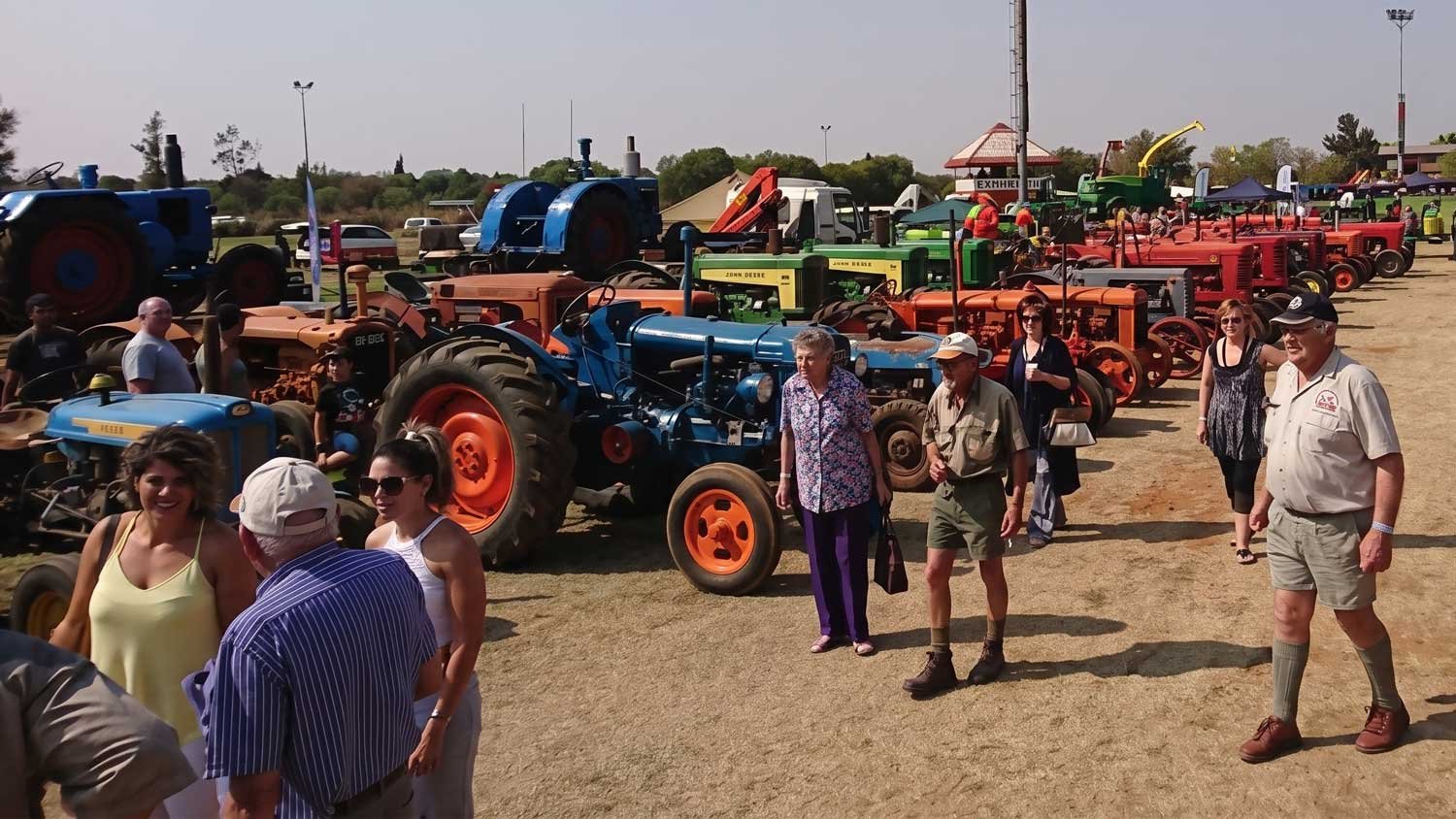
This is where a club pays for itself. Members of SAVTEC’s ten regional clubs have handled thousands of machines between them and can often identify a model from a single photo. Joining a regional club puts you in touch with them. For Ferguson tractors in particular, our affiliate Friends of Ferguson Heritage is an excellent resource.
Owner’s tip: Photograph the serial plate, the left and right sides of the engine, the dash and the rear of the tractor before you clean anything. Those photos are your first piece of provenance, and they are what an expert will ask for.
The condition grading scale (be honest with yourself)
Buyers and auctioneers mentally sort every machine into a grade. Using the same language helps you price it realistically and describe it accurately in an advert.
| Grade | Description | Typical buyer | Rough value vs a top example |
|---|---|---|---|
| 1. Concours | Restored or preserved to show standard, correct in every detail, runs perfectly | Serious collectors, show exhibitors | 100% |
| 2. Excellent | Very tidy, original or well restored, minor flaws only | Collectors and enthusiasts | 70 to 90% |
| 3. Good working | Runs and works well, honest wear, complete | Hobby farmers, first-time collectors | 45 to 70% |
| 4. Tired runner | Runs but needs work: leaks, weak hydraulics, rust | Restorers on a budget | 25 to 45% |
| 5. Project | Does not run, mostly complete, restorable | Experienced restorers | 10 to 25% |
| 6. Parts machine | Seized, incomplete or badly damaged | Restorers needing spares, scrap dealers | Below 10% |
Most “barn finds” sit in grade 5, even when the seller swears they ran last year. Turning a grade 5 into a grade 2 is a long road, and our guide to vintage tractor restoration costs shows exactly what that journey costs.
Antique farm equipment price guide: South Africa 2026
These are indicative bands, not valuations. We based the tractor figures on public South African dealer and auction listings we checked in November 2026. The smaller items reflect what typically changes hands at shows, swap meets and farm sales. Prices vary a great deal by region, condition and the mood of the day.
| Item | Condition | Indicative price band |
|---|---|---|
| Ferguson TE20 (“Vaaljapie”) | Grade 5 project, non-runner | R15,000 to R35,000 |
| Ferguson TE20 | Grade 3, good working original | R45,000 to R90,000 |
| Massey Ferguson 35 / 35X | Refurbished, ready to work (dealer) | R85,000 to R90,000 + VAT in recent listings |
| Massey Ferguson 35X | Auction-house listing, working | Around R143,750 in a recent listing |
| Popular 1950s to 1960s tractors (Fordson, David Brown, Farmall, John Deere) | Grade 3 to 4 runners | R40,000 to R120,000 |
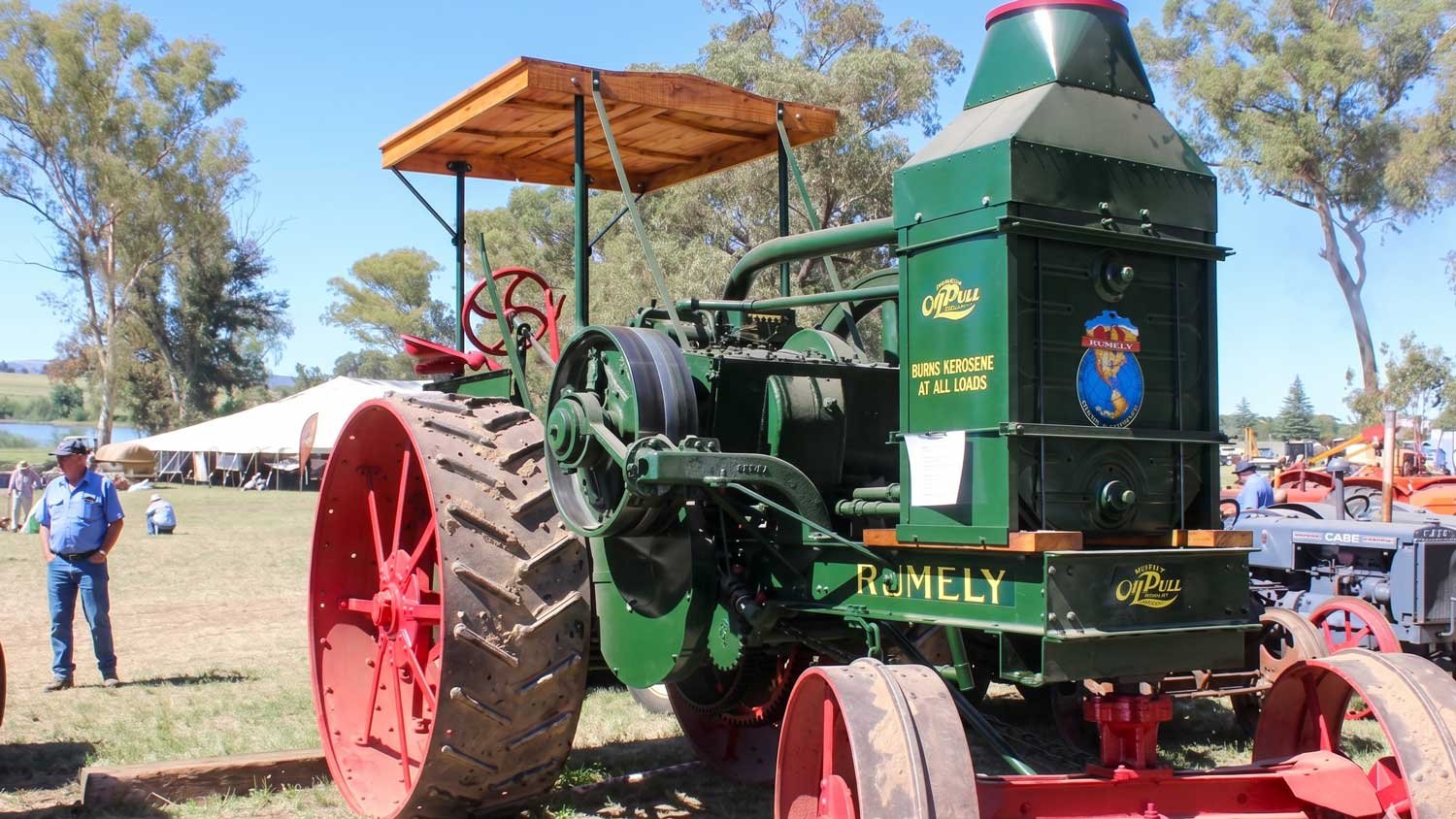
| Rare or early tractors (Lanz Bulldog, pre-war makes, steel-wheeled models) | Any honest condition | R100,000 to well over R300,000 |
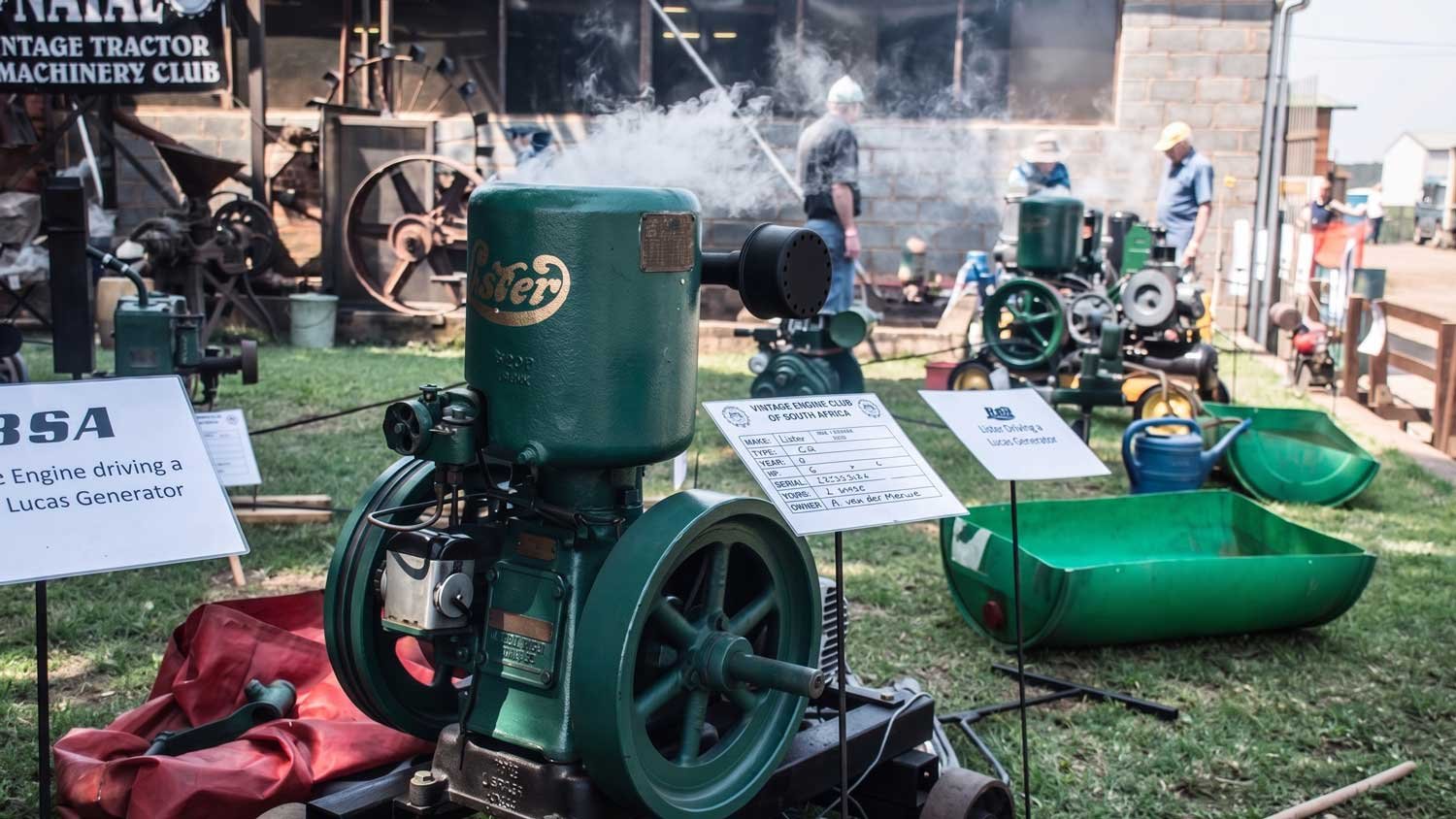
| Stationary engines (Lister, Petter, Ruston and similar) | Complete, turns over | R3,000 to R25,000+ |
| Horse- or ox-drawn implements (ploughs, planters, harrows) | Complete, display quality | R1,500 to R15,000 |
| Cast-iron implement seats | Original, readable maker’s name | R500 to R5,000 |
| Hand tools (scythes, hay knives, yokes, wagon jacks) | Original, sound | R150 to R3,000 |
| Original manuals, brochures and enamel signs | Good, legible | R200 to R5,000+ |
The overseas yardstick: Grey Fergies are collected worldwide. In the UK, working TE20s are advertised from about £1,700, and a fully restored concours TE20 has been offered at £7,500. That does not mean a South African buyer will pay the rand equivalent, because shipping, import duty and local supply all change the sums. It is a useful sanity check, though, if someone offers you scrap value for a complete tractor.
Antique farm tools value: which old tools are worth money?
Not everything valuable has an engine. South African farms are full of hand tools and horse- or ox-drawn implements that collectors, decorators and museums look for. Here is what tends to sell, and why.
| Item | Why collectors want it | What adds value |
|---|---|---|
| Ox yokes and trek gear | Direct link to the ox-wagon era and early farming | Complete sets, original skeis (yoke pins), local provenance |
| Cast-iron implement seats | Decorative, displayable and often maker-marked | Readable foundry name, no cracks or welds |
| Wagon wheels and hubs | Popular for display and restoration | Original iron tyre, sound spokes, matching pairs |
| Blacksmith tools and anvils | Still useful, and heavy demand from hobby smiths | Maker’s marks, good face and edges |
| Hand ploughs and planters | Show the shift from muscle to machine | Completeness, original paint and decals |
| Butter churns, cream separators, scales | Farmhouse history, popular with decorators | Working mechanisms, brand plates |
| Branded oil cans, tins and enamel signs | “Automobilia” collectors pay strong prices | Original graphics, good colour, local brands |
| Spanners and tool kits from tractors | Restorers need them to complete a machine | Correct maker’s marks for the tractor |
The single biggest value killer for tools is over-cleaning. A wire wheel on an angle grinder can strip away maker’s marks, patina and decades of character in a few seconds. If a tool needs cleaning, start with the gentlest method. Our guide to removing rust from old farm equipment compares the options.
How to value old farm equipment yourself in six steps
- Identify it. Record the make, model, serial number and engine type. Take clear photos of the plates and castings.
- Grade it honestly. Use the scale above. Ask a friend who isn’t emotionally attached to grade it too.
- Find three to five comparables. Look for the same model in similar condition, ideally sold prices from auctions or confirmed private sales. Asking prices on classifieds sit 10 to 30% above what things actually sell for.
- Adjust for differences. Add value for originality, extras (implements, toolbox, manuals) and history. Deduct for missing parts, wrong engines or major repairs needed.
- Sense-check with experts. Bring photos to a club meeting or a vintage tractor show. Experienced members will tell you quickly if you are dreaming.
- Get a written valuation if it matters. For insurance, deceased estates or high-value machines, use an auctioneer or valuer who knows vintage machinery and can put it in writing.
Worked example: the Free State Fergie
This is an illustrative example, not a real sale. A family finds a 1951 petrol TE20 in a shed. It turns over by hand but doesn’t start. It is complete, with original paint under the dust, and it comes with Oupa’s purchase receipt and a photo of him ploughing with it.
- Grade: 5 (project), but complete and original, so at the top of that band.
- Comparables: projects at R15,000 to R35,000; good runners at R45,000 to R90,000.
- Adjustments: + original paint, + receipt and photo (strong provenance), − needs engine work.
- Realistic range: about R30,000 to R45,000 to a collector who values originality. Expect much less from a scrap dealer, and the family would lose the story forever.
Should you restore it first, or sell it as it stands?
This is the most common question we get, and the answer surprises people: restoring purely to sell almost never pays. Restoration costs are front-loaded and labour-heavy. A full workshop restoration of a common tractor can easily cost more than the finished machine will fetch.
| Your situation | Our advice |
|---|---|
| You want the money and don’t plan to keep it | Sell it as found, honestly described. Restorers prefer untouched machines. |
| It runs but looks tired | Clean it, service it and fix small leaks. Don’t repaint. |
| It’s rare or historically important | Don’t touch it. Get expert advice first. Preservation may be worth more than restoration. |
| You love it and want to keep it | Restore it! Just budget for the passion, not the profit. |
| It’s a family heirloom | Consider a careful mechanical restoration and keep the original paint and patina. |
If you decide to restore, plan the budget before you strip a single bolt. Our pillar guide on vintage tractor restoration costs, steps and rust removal breaks the costs down line by line. If the engine is worn out, a specialist machine shop can often save the block. We explain how in our article on reboring and resleeving cast-iron engine blocks.
Where to buy and sell antique farm equipment in South Africa
Where you sell has as much effect on the price as what you sell. A tractor that gets R20,000 from a passing scrap buyer might reach far more in front of the right collectors.
| Channel | Best for | Pros | Watch out for |
|---|---|---|---|
| Club networks and SAVTEC shows | Tractors, engines, rare parts | Knowledgeable buyers who value originality | Smaller audience, so it can take time |
| Farm clearance and on-site auctions | Complete farm lots, implements | Competitive bidding, fast sale | Buyer’s premium and commission. Prices on the day can disappoint |
| Online classifieds and Facebook groups | Common tractors, tools, spares | Huge reach and free or cheap to list | Time-wasters and scams. Never pay a deposit before viewing |
| Dealers in vintage machinery | Quick, hassle-free sale | Instant offer, they handle the transport | They need a margin, so expect a lower price |
| Swap meets at shows | Parts, tools, literature | Buyers come looking for exactly that | Usually low to mid-value items |
| Scrap dealers | Genuinely unrestorable iron only | They collect | You lose the machine, the history and most of the value |
Buyer beware: Fake adverts for “cheap vintage tractors” turn up regularly on classifieds and social media. Never pay for a machine you haven’t seen in person or through someone you trust. Check that the serial number on the tractor matches the paperwork, and be wary of sellers who insist on courier-only deals.
Selling to an overseas buyer? Check the export rules first
Under the National Heritage Resources Act, section 32 says no one may export a heritage object from South Africa without a permit issued by SAHRA. SAHRA publishes a list of the types of objects that need a permit before they leave the country. Most ordinary tractors won’t be affected, but genuinely historic or unique machines and objects could be. If you are unsure, ask SAHRA before you accept a deposit. We are not lawyers, so take proper advice on your specific item.
Why old farm tools matter beyond money
Ask a collector why they spent three winters rebuilding a tractor they could have bought running, and money is never the answer. Old farm tools carry something a price guide can’t measure.
- They tell the story of how South Africa was farmed. From ox wagons and hand ploughs to the first tractors, each tool marks a step in how families fed the country.
- They changed lives. The little grey Ferguson TE20 made mechanisation affordable for ordinary farmers after the war. We tell that story in the Vaaljapie and how the TE20 changed South African farming.
- They show local ingenuity. South African farmers kept old machines running long after the factories stopped supporting them. A good example is the McCormick-Deering WK-40 converted to a Perkins diesel.
- They connect generations. A grandchild hearing an old engine start for the first time is a heritage lesson no textbook can match.
- They keep skills alive. Magneto timing, babbitt bearings and hand-starting a paraffin engine are skills that disappear unless people practise and teach them.
That is why SAVTEC’s clubs exist, and why national shows draw families from across the country. Browse photos from the 2024 National Show at Villiersdorp or the 2022 show at the Willem Prinsloo museum to see what preserved heritage looks like.
Protecting the value of your vintage machinery
Whatever your machine is worth today, these habits help to keep it that way:
- Store it under cover, off bare soil. Damp ground and open sheds are where rust starts. A concrete floor and good airflow make a huge difference.
- Keep a file. Store photos, receipts, the serial number, any history and copies of manuals in one place. Provenance adds value only if you can prove it.
- Run it regularly. Engines that never run develop stuck valves, dried seals and gummed fuel. Start it up and work the hydraulics every few weeks.
- Insure it properly. Standard farm policies may value an antique as “scrap”. Ask your broker about an agreed-value policy, backed by a written valuation.
- Protect it from rust. Light oiling of bare metal and good drainage matter. The rust protection section of our restoration guide gives the full routine.
Not sure what you’ve got? Ask the people who know
SAVTEC’s regional clubs are full of members who have identified, valued and restored more machines than most dealers ever see. Join a club to get honest advice, find parts, and bring your tractor or engine to a show where people will appreciate it.
Or see what’s coming up on the SAVTEC events calendar.
Frequently asked questions about antique farm equipment value
How do I find out what my old tractor is worth?
Identify the exact model and serial number, grade its condition honestly, then compare it with recent sold prices for the same model in similar condition. For a second opinion, show photos to a vintage tractor club. For insurance or an estate, get a written valuation from an auctioneer who knows vintage machinery.
Is antique farm equipment worth more restored or original?
For most collectors, a complete and original machine is worth more than a poorly or incorrectly restored one. A correct, high-quality restoration can be worth more, but it usually costs more to do than it adds in value.
What old farm tools are worth money?
Complete ox yokes and trek gear, maker-marked cast-iron implement seats, wagon wheels, blacksmith anvils, cream separators, branded oil cans and enamel signs, and original tractor tool kits all sell well. Maker’s marks, originality and local provenance add the most value.
What is a Ferguson TE20 worth in South Africa?
As a rough guide, a non-running project TE20 tends to sell for about R15,000 to R35,000, and a good working original for about R45,000 to R90,000. Exceptional, correct restorations and machines with strong history can fetch more.
Where can I sell vintage tractors in South Africa?
Options include club networks and vintage tractor shows, farm clearance auctions, online classifieds and Facebook groups, and specialist dealers. Collector networks usually pay most for original machines. Scrap dealers pay the least.
Do I need a permit to sell old farm equipment overseas?
Most ordinary tractors and tools don’t, but the National Heritage Resources Act requires a SAHRA permit to export heritage objects. If your item is historic, rare or unique, check with SAHRA before agreeing a sale.
Does scrap metal value matter for antique tractors?
Only as an absolute floor. A complete vintage tractor is almost always worth far more to a collector or restorer than its weight in scrap. Selling for scrap also destroys the machine’s history permanently.
Prices in this guide are indicative bands for general information only. They are not a formal valuation, and the market changes. Always check recent sold prices and get expert advice on your specific machine.